
Engineering Supervision During Construction: Responsibilities, Importance, and How to Choose the Right Partner
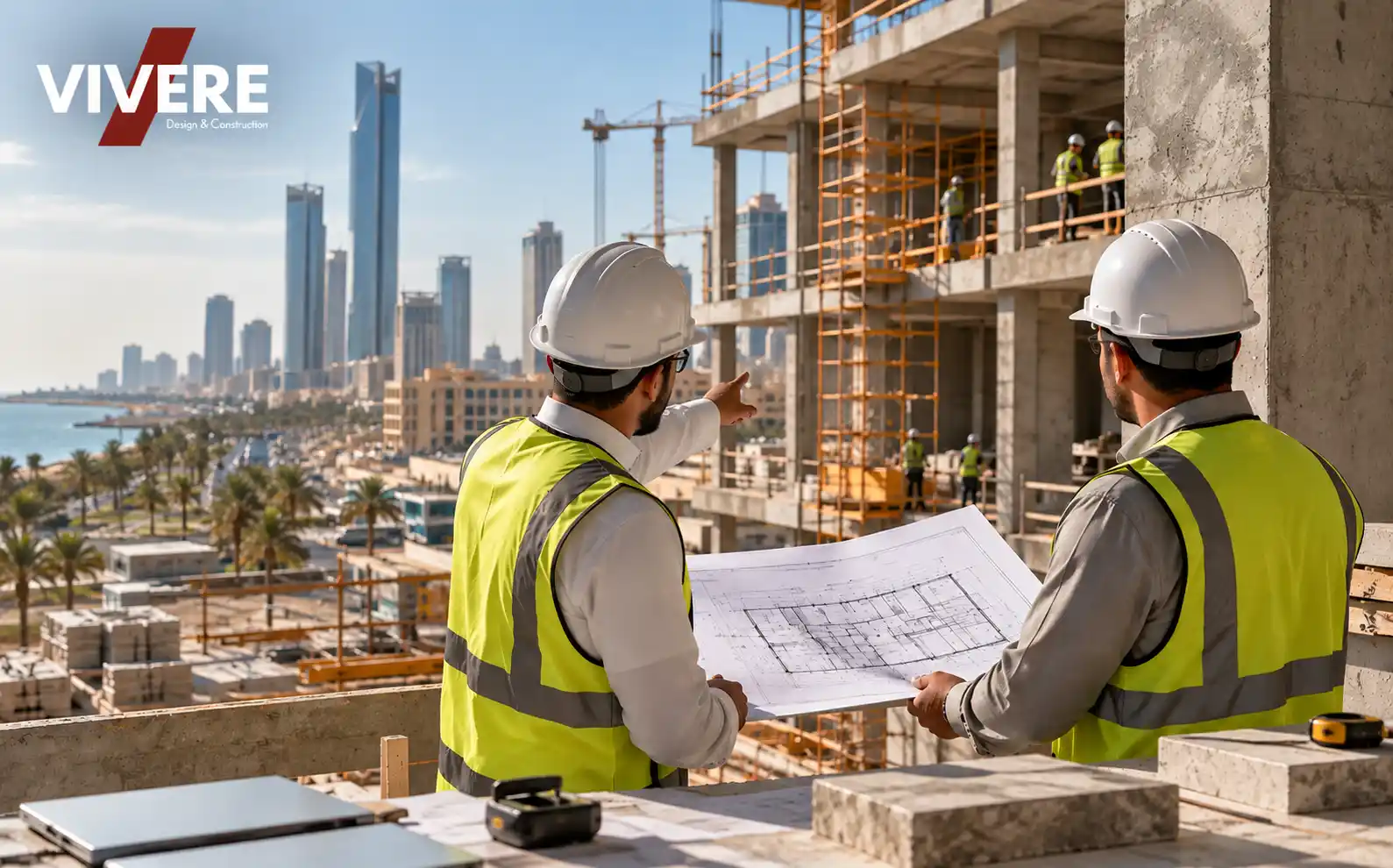
Engineering supervision during construction plays an important role in connecting design with what is actually built on site. Having drawings and a defined design does not necessarily mean that implementation will proceed without the need for follow-up, coordination, and review.
During construction, details may require clarification, different disciplines may need to coordinate, and observations may need to be addressed before work progresses to the next stage.
This is why choosing the right supervision partner involves more than looking at a company name. Project owners should consider relevant experience, previous projects, scope of supervision, team capabilities, and communication methods.
What Is Engineering Supervision During Construction?
Engineering supervision during construction is the process of following up on project execution, reviewing works and details, and coordinating between relevant parties within the agreed project scope.
Its purpose is to support a clear execution process and maintain consistency between the design and the actual built result.
There is no single supervision model that fits every project. The scope can vary depending on the project type, size, stage, and number of disciplines involved.
For this reason, supervision responsibilities should be clearly defined from the beginning.
Why Is Engineering Supervision During Construction Important?
Design is often the most visible part of a project, but construction is where the concept and drawings become a physical reality.
During this stage, multiple parties may be involved and project details can become more complex. Structured supervision can help with:
- Monitoring project progress.
- Following up on construction observations.
- Supporting coordination between parties and disciplines.
- Maintaining consistency between design and execution.
- Following up on project details requiring review.
- Supporting clear communication within the project team.
Supervision does not mean that one party automatically becomes responsible for every aspect of construction. Responsibilities depend on the agreed scope and the roles of other project stakeholders.
What Are the Main Responsibilities of Engineering Supervision During Construction?
Responsibilities vary depending on the project, but several areas are commonly involved.
Construction Work Follow-Up
Supervision may include monitoring progress through different construction stages and identifying observations that require attention or coordination.
This becomes particularly important when several teams are working simultaneously.
Reviewing Project Details
Construction may reveal details that require clarification or review, especially where execution is directly connected to the design.
Continuous review can help keep these details within a clear project process.
Coordination Between Parties
Projects often involve owners, designers, contractors, suppliers, and several engineering disciplines.
Coordination therefore becomes an important part of supervision to maintain clarity between different responsibilities and activities.
Observation Follow-Up
Observations are a normal part of construction.
The key is to record, communicate, and follow them rather than allowing them to accumulate until the final stages.
Quality and Detail Follow-Up
Execution details can influence the final project outcome, so supervision may include monitoring workmanship and project details within the agreed scope.
Project Communication and Updates
Owners need to understand project progress and the main observations requiring attention.
Regular communication is therefore an important part of an effective supervision process.
Engineering Supervision Across Construction Stages
The nature of supervision can change as the project progresses.
Project Mobilization and Start
The process begins with understanding the project, confirming the available information, and clarifying the scope and responsibilities.
Main Construction Stages
During the main execution stages, the focus shifts toward progress monitoring, coordination, and review of observations and site details.
Finishing and Fit-Out
As the project moves into finishing and fit-out, detailed coordination becomes increasingly important to maintain the quality and consistency of the final result.
Final Review and Handover
The final stage focuses on outstanding observations, completion items, and coordination related to handover.
These stages are not a fixed model for every project and should be adapted according to the project's requirements.
What Is the Difference Between Engineering Supervision and Project Management?
The two terms are sometimes used interchangeably, but they do not necessarily cover the same responsibilities.
Engineering supervision focuses more on execution follow-up, coordination, review, and project details within the agreed supervision scope.
Project management may involve a broader range of activities, including planning, organization, resources, time, cost, and other responsibilities depending on the service scope.
Project owners should therefore confirm exactly what is included in supervision before assuming that it covers every project management function.
When Do You Need an Engineering Supervision Office?
An engineering supervision office or professional supervision team may be appropriate when the owner needs structured follow-up during project execution.
This can be particularly useful for:
- Multidisciplinary projects.
- Projects with complex execution details.
- Projects requiring regular follow-up.
- Projects where the owner cannot closely monitor execution.
- Projects requiring coordination between design and construction.
As project complexity increases, clarity of responsibilities and communication becomes more important.
How Do You Choose the Right Engineering Supervision Partner?
When comparing options, consider several practical criteria.
Experience With Your Project Type
Experience with projects similar to yours can be more relevant than simply looking at general years of experience.
Previous Projects
Review the projects the firm has worked on and understand the type, scale, and stages in which it was involved.
Supervision Scope
Ask clearly:
What does the supervision service include?
Which project stages are covered?
What are the responsibilities of the supervision team?
What remains the responsibility of the owner, contractor, or other parties?
Team and Disciplines
For multidisciplinary projects, a team with architectural, engineering, design, and execution expertise can help support coordination.
Communication Process
Ask how updates are provided, observations are recorded, and project changes are communicated.
Local Experience
When looking for engineering supervision in Jeddah, reviewing the firm's local project experience can help provide a clearer picture of its suitability.
Engineering Supervision During Construction in Jeddah
Projects in Jeddah vary across residential, commercial, and other development types. Their sizes, stages, and supervision requirements can also differ significantly.
For this reason, engineering supervision during construction should not be treated as a single fixed service for every project.
A new residential development may require a different approach from a larger commercial project. Similarly, a project in the design stage has different supervision requirements from one already under construction.
Choosing a firm with relevant local experience and a clearly defined scope can help create a more suitable supervision approach.
Vivere - Engineering Supervision in Jeddah
فيفيرا - Vivere is a Jeddah-based company is a Best Engineering Consultancy Office in Jeddah that provides supervision as part of an integrated approach connecting design, coordination, and execution. Its official services include architectural design, interior design, supervision, electrical and mechanical coordination, furniture design and production, furnishing and fit-out, and turnkey execution. Vivere Profile
Vivere describes its supervision service as including site supervision and project coordination across execution stages, with an emphasis on quality, accuracy, and maintaining alignment with design intent. Vivere Profile
Its broader approach connects design, supervision, and furnishing through an integrated process focused on clarity, coordination, and protecting the design vision during execution. Vivere Profile
Vivere's business indicators include:
+8 Years of Experience
+84 Projects Delivered
+40 Specialists and Engineers
98% On-Time Commitment
Its portfolio also includes projects across Jeddah, reflecting its presence in the local market and involvement in projects covering design, supervision, and execution. Vivere Profile
For project owners, connecting design, supervision, coordination, and execution through one company can be useful when maintaining consistency between design intent and the built result is a priority, depending on the project's scope and requirements.
How Do You Start Engineering Supervision for a Construction Project?
A structured supervision process can begin with several steps.
1. Understand the Project
Determine the project type, current stage, and areas requiring follow-up.
2. Define the Supervision Scope
Clarify responsibilities, service stages, and the exact scope of supervision.
3. Review Drawings and Project Information
Understand the available design documents and project information before starting the follow-up process.
4. Begin Monitoring and Coordination
Follow project progress and communicate with the relevant stakeholders.
5. Track Observations
Record and follow up on observations and coordinate their resolution during construction.
6. Final Review and Handover
Follow up on final observations, completion items, and handover coordination.
Do All Construction Projects Need the Same Level of Supervision?
No.
A small project may require a different level of supervision from a large multidisciplinary development.
The current stage of the project also affects the type of follow-up required.
Before choosing a supervision scope, consider:
Project type + project size + project stage + disciplines involved + required supervision level
Frequently Asked Questions
What is engineering supervision during construction?
It is the process of following up on construction execution, coordination, observations, and relevant project details within an agreed scope of responsibility.
What are the main responsibilities of engineering supervision?
They may include construction follow-up, review of works and details, coordination between parties, observation tracking, and project communication.
Is engineering supervision the same as project management?
Not necessarily. Engineering supervision focuses more on execution follow-up and coordination, while project management may cover broader planning, organization, resources, time, and cost responsibilities.
Do I need an engineering supervision office for my construction project?
It depends on the project's size, complexity, number of disciplines, and the level of owner follow-up required.
How do I choose an engineering supervision company in Jeddah?
Review the firm's experience in your project type, previous projects, supervision scope, team capabilities, and communication process.
Does Vivere provide engineering supervision?
Yes. Supervision is one of Vivere's official services, alongside design, coordination, furnishing, and integrated execution. Vivere Profile
Conclusion
Engineering supervision during construction helps connect design with execution, coordinate relevant parties, and follow up on project details throughout the construction process.
When choosing a supervision partner, project owners should consider experience, previous projects, scope of responsibilities, team capabilities, and communication processes.
In Jeddah, Vivere provides supervision within an integrated model connecting design, coordination, and execution, supported by 8+ years of experience, 84+ delivered projects, 40+ specialists and engineers, and a reported 98% on-time commitment.
The right supervision approach ultimately depends on the project's type, stage, scope, and actual requirements.